
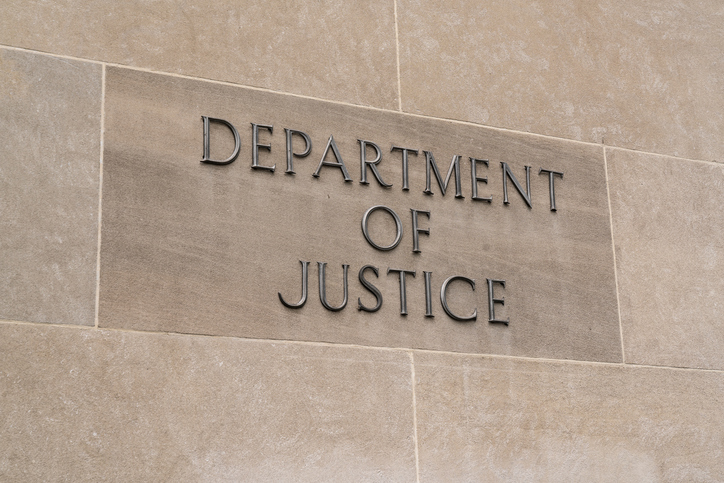
The firm Quarles & Brady reminds us that because many of the policies adopted in the Department of Justice’s 2016 Pilot Program — intended to promote and incentivize voluntary self-disclosures — will likely become a “more permanent” part of the U.S. Attorneys' Manual, corporations should have as effective a compliance program as possible.
Compliance Considerations
Deputy Attorney General Rod Rosenstein made the noteworthy policy announcement in the fall of 2017. Like previous DOJ policy announcements says the firm, the updates are intended to provide “greater clarity” into its decision-making process in resolving Foreign Corrupt Practices Act (FCPA) enforcement actions but are not intended to be “binding” against the agency.
The Policy includes two new enforcement presumptions and one guidance to clarify the benefits of voluntary self-disclosure, which can include the following, as summarized by Quarles & Brady.
- When a company satisfies the standards of voluntary self-disclosure, full cooperation, and timely and appropriate remediation, there will be a presumption that the DOJ will resolve the company’s case through a declination.
- If a company voluntarily discloses wrongdoing and satisfies all other requirements, but aggravating circumstances compel an enforcement action, the DOJ will recommend a 50 percent reduction off the low end of the Sentencing Guidelines fine range.
- The Policy provides details about how the DOJ evaluates an appropriate compliance program, which will vary depending on the size and resources of a business.

Related posts



Work with a legal tech team who’s walked in your shoes
LLM was built by legal professionals who know the pressure, pace, and precision your work demands. Let’s connect and explore how we can support your team.